10 Best Golf Balls for Slow Swing Speed: Our Expert Picks | Golfchilled.com
Finding the right golf ball depends on how you swing and what you want to achieve on the course. There’s no single best ball for everyone, but there’s a best one for your specific speed, your desire for control, or your need for extra distance. These products differ mainly in their core compression, cover material, and the specific flight technology they use to help slower swings. Choosing the right one often comes down to whether you prioritize soft feedback around the green or pure distance off the tee. If you want a well-rounded ball, look at the Callaway Supersoft 2025; if you specifically need more help with distance for a slower swing, the Diawings Max Distance is a strong alternative.
1. Callaway Supersoft Golf Balls

Best for: Golfers who want a balance of distance and greenside control.
This ball is built with a HyperElastic SoftFast Core designed to keep driver speed high while maintaining a soft feel. The hybrid cover is meant to provide durability and extra spin, which helps when you’re hitting approach shots into the green.
The soft feel makes it a favorite for players who value feedback on their short game. However, because it focuses on a soft feel, golfers who prefer a very firm, clicky sensation at impact might find this ball too muted for their preference.
Good if:
- You want a soft feel on every shot.
- You need help with spin on approach shots.
- You play with a variety of clubs and want consistent feedback.
Skip it if:
- You prefer a firm, hard feel at impact.
- You require a ball specifically built for high-spin professional play.
2. WILSON Duo Soft Golf Balls

Best for: Players who prioritize the softest possible feel on every shot.
Known for its industry-leading soft feel, this two-layer ball uses a high-energy core to maximize distance. Its construction aims to reduce side spin, which helps keep your drives straighter if you struggle with accuracy.
The focus here is entirely on comfort and feedback. Because it’s designed to be as soft as possible, it may not provide the same level of aggressive greenside spin that some more advanced, multi-layer balls offer.
The decision rule is simple: if you prioritize distance and a straight flight, the two-layer construction is your best choice. However, if your game relies on stopping the ball quickly on the green, you should choose a ball with more layers.
Good if: * You find other balls feel too hard off the clubface. * You want a ball that helps reduce unwanted side spin. * You value a soft, responsive touch during putting.
Skip it if: * You want a ball that generates high spin around the green. * You enjoy a firm, crisp sound when striking the ball. * You’re a high-swing-speed player who prefers a firmer compression for control.
3. Diawings Max Distance Golf Balls

Best for: Golfers with slower swing speeds needing maximum energy transfer.
This ball uses advanced core technology to maximize energy transfer from the driver face, even when your swing speed isn’t high. It’s engineered with ultra-low spin to help eliminate hooks and slices, promoting a straighter flight path.
It’s fully compliant with USGA and R&A standards, meaning you can use it in both casual and competitive rounds.
Good if:
- Your swing speed is lower and you need distance help.
- You struggle with hooks or slices off the tee.
- You want a ball that’s tournament-legal.
Skip it if:
- You prefer buying in bulk quantities like dozens.
- You already have a high swing speed that doesn’t need extra help.
4. TaylorMade SpeedSoft Golf Balls

Best for: Everyday players who want a mix of speed and softness.
The SpeedSoft features a low-compression PWRCORE designed to create explosive speed while keeping the feel soft. It’s built for performance throughout the bag, meaning it should feel comfortable whether you’re driving or chipping.
This ball is a great all-rounder for daily practice and play. However, because it’s designed for a broad range of shots, it doesn’t specialize in one single area like extreme distance or extreme spin.
Good if:
- You want a consistent feel across all your clubs.
- You need a ball that performs well on both long and short shots.
- You prefer a bright, visible ball for easier tracking.
Skip it if:
- You’re looking for a highly specialized, pro-level tour ball.
- You find low-compression balls feel too “mushy” for your swing.
5. Srixon Soft Feel Golf Balls

Best for: Golfers who need help with flight and drag reduction.
The FastLayer core transitions from a soft center to a firm edge, which helps maintain distance without losing that soft feel. The 338 Speed Dimple pattern is specifically designed to reduce drag, which can help keep the ball in the air longer even in windy conditions.
The matte color options are a nice touch for visibility, but the primary benefit is the aerodynamic design. If you struggle with the ball dropping too quickly, this dimple pattern is built to assist.
Good if:
- You frequently play in windy conditions.
- You want a ball that’s easy to spot on the course.
- You need help keeping the ball in the air longer.
Skip it if:
- You prefer a traditional glossy white finish.
- You don’t struggle with trajectory or drag.
6. Amazon Basics Core Soft Golf Balls

Best for: Beginners or those wanting a simple, reliable alignment aid.
This ball features a side stamp alignment aid on the cover, which is very helpful for lining up putts accurately. It’s a low-compression, two-piece ball that focuses on providing a straight flight path and consistent performance for any skill level.
It’s a straightforward, no-nonsense choice that complies with USGA standards. Because it’s designed for general use, it lacks the specialized spin or distance-boosting tech found in niche, performance-focused balls. If you prioritize soft feel on impact over high-spin performance, this core technology is built for your game.
Good if:
- You want a visual aid to help with your putting.
- You’re a beginner looking for consistent, predictable performance.
- You prefer a high-visibility yellow cover for tracking.
Skip it if:
- You’re an advanced player looking for specific spin profiles.
- You don’t care for alignment markings on your ball.
If you’re a low-handicap player seeking maximum greenside bite, this model will likely disappoint. The design favors straight flight and distance over the complex shot-shaping capabilities required by advanced golfers. Use this ball when your primary goal is reliable, predictable contact rather than specialized spin control.
7. Bridgestone e12 Golf Balls

Best for: Players who want a consistent, piercing ball flight.
The e12 uses a contact force dimple design that aims to reduce side spin, helping you stay in the fairway. It’s built to provide a longer, more piercing flight, which can be an advantage if you find your current balls ballooning too high.
This ball is designed for forgiveness. While it’s great for keeping the ball straight, it may not offer the same “soft” feel as some of the other ultra-low compression options on this list.
Good if:
- You want a ball that flies straight and pierces through the air.
- You need more forgiveness on off-center hits.
- You like having advanced technology integrated into your equipment.
Skip it if:
- You prioritize extreme softness over flight performance.
- You prefer a ball with a traditional, basic dimple pattern.
8. Vice Drive Golf Balls

Best for: Golfers who want a simple, durable, and reliable ball.
This ball is designed specifically for players with low to medium swing speeds who prioritize durability and a soft feel. It features an extremely tough, cut-resistant cover paired with a soft core.
The design is intentionally simple, focusing on generating a longer roll and a soft feel off the club face. Because it lacks the complex, multi-layer construction found in professional tour balls, it provides a consistent experience that helps simplify your game.
Good if:
- You’re hard on your equipment and need something that resists cuts.
- You have a low to medium swing speed.
- You want a no-frills, reliable ball that performs predictably.
Skip it if:
- You require high-spin performance for advanced, precision short-game shots.
- You’re looking for high-tech, multi-layer construction to manipulate ball flight.
Decision Rule: Choose the Vice Drive if you prioritize longevity and a soft feel over complex spin control. If you need to stop the ball quickly on the green, look elsewhere.
9. MG Senior Golf Balls

Best for: Recreational seniors looking to reclaim lost distance.
Designed specifically for drives under 250 yards, this ball aims to maximize distance and enjoyment. It features a higher launch and a “hotter” feel off the clubface, which can make the game more fun if you have lost some power over the years.
The combination of a 350-dimple design and a focus on durability prioritizes performance for casual rounds. Its tough Surlyn cover is designed for long-lasting play, while the softer impact feel provides a satisfying sound. You can choose between traditional White or high-visibility Optic Yellow to suit your preference.
Note that this ball is non-conforming, meaning it isn’t legal for official USGA-sanctioned tournaments. It’s strictly for recreational play. If your club league requires balls that meet professional competition rules, you must avoid this model to prevent disqualification.
Good if:
- You play for fun and want maximum distance.
- You have a slower swing speed and want a higher launch.
- You want a ball that sounds and feels satisfying.
Skip it if:
- You play in official, USGA-sanctioned golf tournaments.
- You require a ball that meets all professional competition rules.
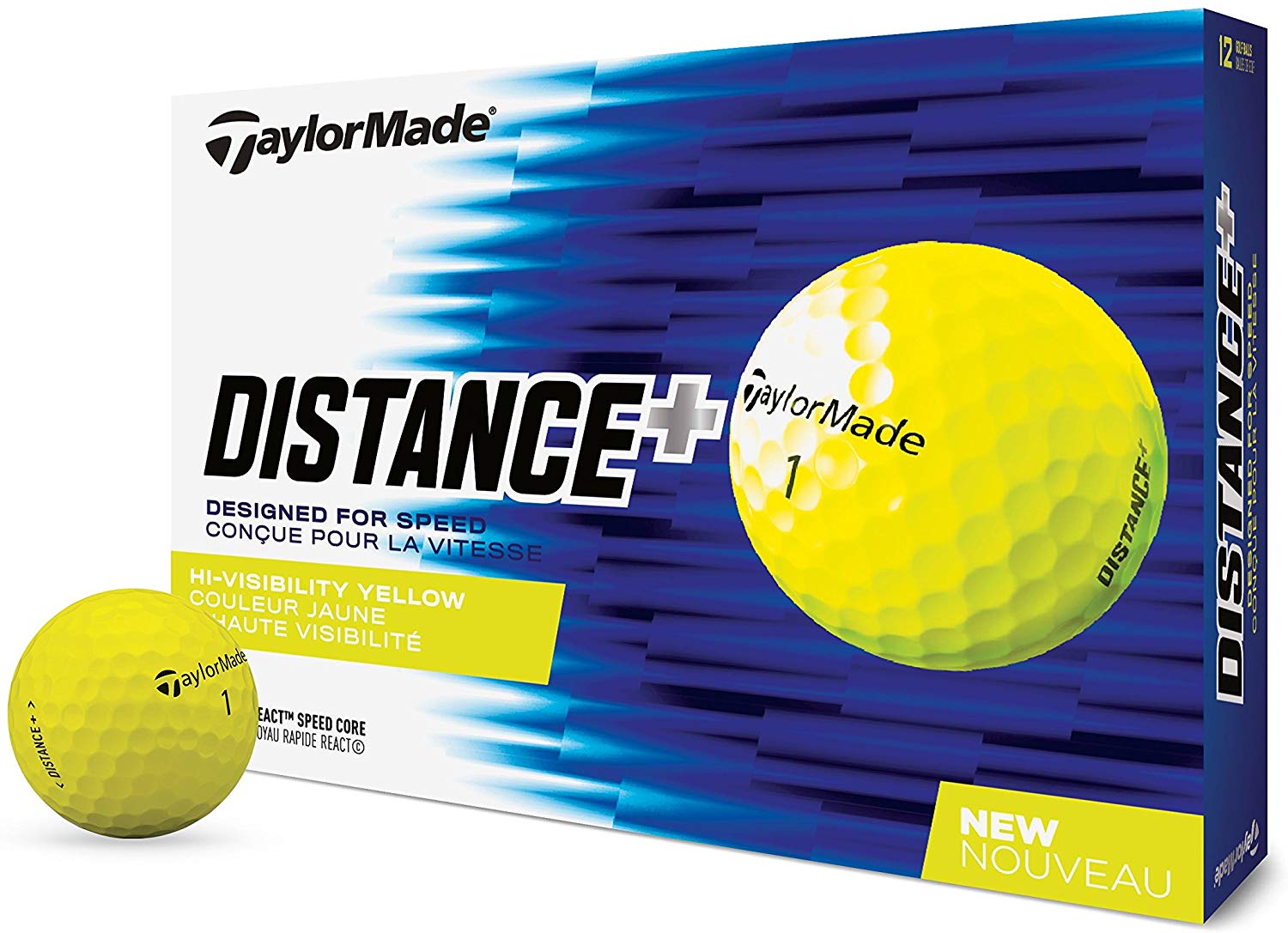
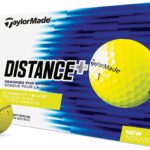
10. TaylorMade Golf Distance+ Golf Balls

Best for: Players who want a ball that focuses on pure speed.
The Distance+ uses a REACT Speed Core to deliver high-velocity performance. It also features an extended flight dimple pattern that helps the ball fight through the wind, keeping it in the air longer for those extra yards.
The alignment aid on this ball is quite prominent, making it easy to line up putts. It’s a great option for those who want a firm, fast feel rather than the ultra-soft feel of some of the other balls listed here.
Good if:
- You want to focus on explosive speed off the tee.
- You like a ball that performs well in windy conditions.
- You want a clear alignment aid for putting.
Skip it if:
- You find firm, fast-feeling balls uncomfortable.
- You prefer a ball that emphasizes soft greenside spin over raw speed.
Where These Overlap
Many of the balls listed here, such as the Callaway Supersoft 2025 and the Wilson Duo Soft, share a core goal of providing a soft feel for slower swing speeds. If you’re choosing between these, the decision often comes down to brand preference or minor differences in cover technology.
Others, like the TaylorMade Distance+ and the Srixon Soft Feel, focus on aerodynamics to help with flight. They use specific dimple patterns—such as the Srixon 338 Speed Dimple or the TaylorMade Extended Flight pattern—to reduce drag and increase lift.
The choice between these is rarely about one being objectively better. It’s almost always about which one feels right to you during a round. If you find two options that seem identical on paper, look for specific secondary features. Check for alignment aids, like the side stamp on the Amazon Basics ball, or high-visibility color options that help you track the ball during play. If you play in USGA-sanctioned tournaments, verify the ball is conforming, as some distance-focused options like the MG Senior are designed specifically for recreational play and aren’t tournament-legal.
Still Not Sure?
How often will I really play?
If you play every weekend, you might want a durable ball like the Vice Drive, which features an extremely tough and cut-resistant cover. If you only play occasionally, a bulk pack like the Amazon Basics Core Soft provides great value and consistent performance without needing to worry about long-term wear. Choose the Vice Drive for high durability or the Amazon Basics Core Soft for casual reliability.
What is my biggest struggle on the course?
If you struggle with accuracy and slices, a ball designed for straight flight like the Bridgestone e12 or the Diawings Max Distance is your best bet. These balls use technology to reduce side spin, which helps keep you out of the rough. If your main goal is simply getting more distance, look at the MG Senior Distance or the TaylorMade Distance+ to help you gain yards.
What feel do I like at impact?
The feel of a golf ball is very subjective. If you like a soft, muted feel that feels gentle on your hands, the Wilson Duo Soft is likely the best match for you. If you prefer a more solid, responsive, or “hot” feel that lets you know you have made good contact, the TaylorMade Distance+ or the Srixon Soft Feel will likely be more satisfying for your personal preference.
Choosing the right golf ball comes down to your swing speed and your goals. If you need help with distance, the Diawings Max Distance is designed for slower swings. If you prefer a balanced feel, the Callaway Supersoft 2025 is a reliable choice. Check your local course requirements for tournament play, pick the ball that suits your main struggle, and head to the tee with confidence.
Note: As an Amazon Associate, we earn from qualifying purchases. This post contains affiliate links – if you buy through them, we may earn a commission at no extra cost to you.

Similar Posts