Golf Wear: The Complete Guide to What to Wear on the Golf Course
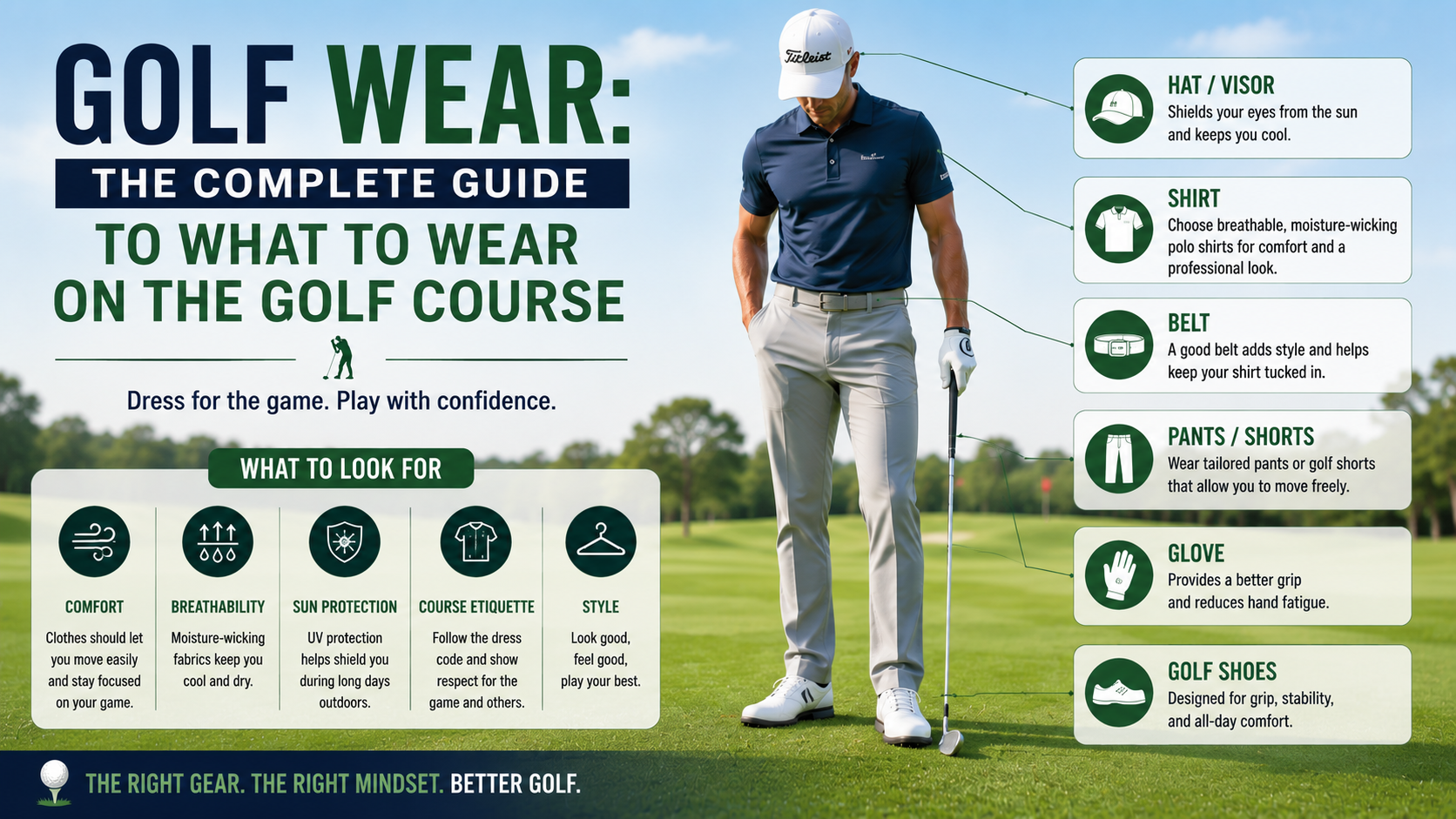
Showing up in the wrong outfit can get you turned away at some clubs or just leave you uncomfortable for four hours in the heat, cold, or rain. This golf wear guide covers exactly what to wear golfing, how dress codes actually work, and how to build a golf wardrobe that performs as well as it looks.
Quick Answer: Standard golf attire is a collared shirt (or a mock/quarter-zip alternative), tailored golf shorts or pants, golf shoes with spikes or spikeless soles, and a belt. Most public courses are relaxed about this; private clubs enforce it strictly. Fabric matters as much as style, moisture-wicking, four-way stretch materials perform far better than cotton or denim.
Understanding the Golf Dress Code
Golf dress codes vary by course type, and knowing the difference saves you an awkward conversation at the pro shop.
| Course Type | Typical Dress Code Strictness |
|---|---|
| Public/municipal courses | Relaxed — collared shirt often recommended, not always required |
| Semi-private courses | Moderate — collared shirt and tailored bottoms usually required |
| Private country clubs | Strict — collared shirts, tailored shorts/pants, no denim, sometimes no cargo pockets |
| Resort courses | Moderate to relaxed, but check ahead for tee-time policies |
Rule of thumb: If you’re unsure, call the pro shop or check the course website before you go. Dress codes are almost always listed there, and showing up in denim or a graphic t-shirt at a private club can mean you’re not allowed to tee off.
Golf Wear Essentials: The Core Pieces
1. Golf Shirts (Tops)
- Collared polos are the standard for both men and women at most courses.
- Mock necks and quarter-zips are widely accepted as collared-shirt alternatives, especially in cooler weather.
- Plain crew-neck t-shirts are usually not allowed at private clubs, though many public courses permit them.
- Look for moisture-wicking, breathable fabric; cotton holds sweat and gets heavy over 18 holes.
2. Golf Bottoms
- Men: Tailored golf shorts or pants, often made from stretch woven fabric for a full swing range of motion. Cargo shorts and jean shorts are typically not allowed at private clubs.
- Women: Golf skorts, tailored shorts, or golf pants/leggings designed specifically for golf (with proper length and fabric) are standard. Athletic leggings alone are sometimes restricted at private clubs; a skort or golf short is the safer default.
- Avoid denim entirely; most golf courses, public and private, prohibit jeans.
3. Golf Shoes
- Spiked shoes offer maximum traction, especially useful on hilly or wet courses.
- Spikeless shoes look more like sneakers, are more versatile off the course, and are accepted at the vast majority of clubs today.
- Avoid regular running shoes or sandals; most courses require golf-specific footwear, and some greens rules prohibit shoes that can damage turf.
4. Accessories
- Golf belt: Expected with tailored shorts/pants at most private clubs.
- Golf hat or visor: Not required, but recommended for sun protection.
- Golf socks: Moisture-wicking, cushioned socks reduce blisters over a full round.
- Golf glove: Optional for play, but improves grip in hot or sweaty conditions (usually worn on the lead hand only).
What to Wear Golfing by Weather
Hot Weather Golf Wear
- Lightweight, moisture-wicking polo and shorts
- UPF sun-protective fabric if you’re sensitive to sun exposure
- A breathable hat and golf-specific sunglasses
Cold Weather Golf Wear
- Base layer (moisture-wicking, not cotton) under your polo
- Golf-specific mid-layer such as a quarter-zip or lightweight vest
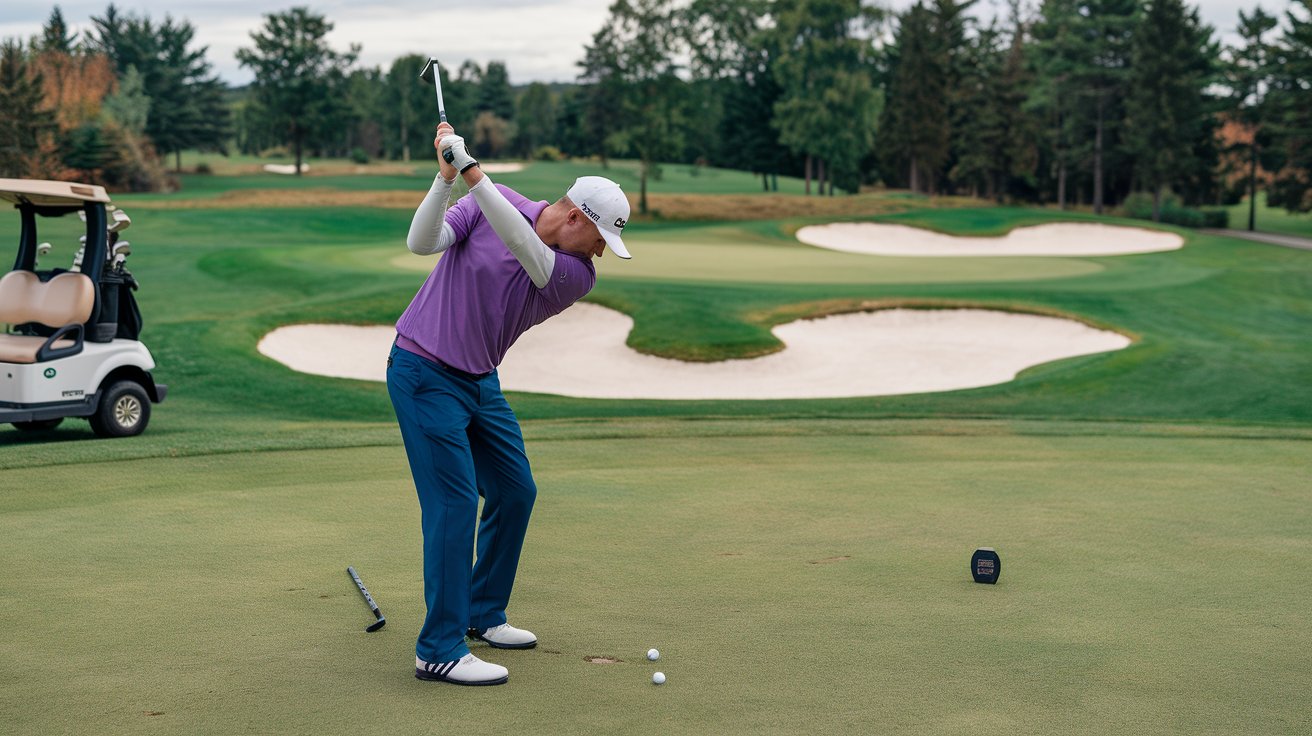
- Wind-resistant golf jacket that still allows a full swing
- Thermal golf gloves and a beanie for early morning rounds
Rainy Weather Golf Wear
- Waterproof golf jacket and pants designed for swing mobility (regular rain gear is often too stiff)
- Golf-specific rain glove, which grips better wet than a standard glove
- Waterproof golf shoes or a waterproof spray treatment on existing shoes
Layering Golf Wear for Changing Conditions
Golf rounds often span temperature swings from a cool morning to a warm afternoon. A three-layer system: moisture-wicking base layer, light mid-layer, and a packable wind or rain shell lets you adjust without carrying a bulky bag full of extra clothes.
Golf Wear Fabric Guide
| Fabric | Best For | Why |
|---|---|---|
| Polyester blends | Everyday play | Moisture-wicking, quick-drying, durable |
| Four-way stretch woven | Pants and shorts | Full range of motion for the swing |
| Merino wool blends | Cold weather layering | Warm without bulk, naturally moisture-wicking |
| UPF-treated fabric | Sun protection | Blocks UV rays during long rounds |
| Cotton | Avoid for performance wear | Absorbs sweat, dries slowly, restricts movement |
Common Golf Wear Mistakes and How to Fix Them
| Mistake | Why It’s a Problem | Fix |
|---|---|---|
| Wearing jeans or cargo shorts | Not accepted at most private and many semi-private courses | Choose tailored golf shorts/pants in stretch fabric |
| Wearing cotton t-shirts in hot weather | Cotton traps sweat and heat | Switch to moisture-wicking polos |
| Skipping a belt at a private club | Considered unfinished/incomplete attire | Keep a plain golf belt in your bag as a backup |
| Wearing regular sneakers | Less traction, and some courses restrict non-golf shoes | Invest in spikeless golf shoes for versatility |
| Not checking the course dress code ahead of time | Risk of being denied a tee time | Call the pro shop or check the course website before you go |
Golf Wear Checklist
- Collared shirt or accepted alternative (mock neck, quarter-zip)
- Tailored golf shorts, pants, or skort (no denim)
- Golf belt (for private/semi-private clubs)
- Golf shoes (spiked or spikeless)
- Moisture-wicking golf socks
- Weather layer appropriate for conditions (sun, cold, or rain)
- Hat or visor for sun protection
- Golf glove (optional but recommended)
How to Buy Golf Wear: What Actually Matters
When shopping for golf wear, prioritize in this order:
- Fit and mobility — the garment should allow a full, unrestricted swing. Try a mock swing motion in the fitting room if possible.
- Fabric performance — moisture-wicking and stretch matter more than brand name for comfort over 18 holes.
- Course compliance — check that the piece meets the dress code of the courses you play most often before buying.
- Weather versatility — layering pieces that work across seasons offer better long-term value than single-season items.
Recommendations here are based on manufacturer specifications, fabric technology commonly used across major golf apparel brands, and general dress code standards published by golf courses and clubs, not on personal product testing.
Frequently Asked Questions
What should I wear to golf?
A collared shirt, tailored golf shorts or pants, golf shoes, and a belt cover most course dress codes. Always check the specific course’s policy if you’re playing somewhere new.
Do you need a collared shirt to golf?
Most private and semi-private clubs require one, though many public courses are more relaxed. Mock necks and quarter-zips are usually accepted as alternatives.
Can you wear jeans to golf?
Generally no. Most golf courses, public and private, prohibit denim because it’s not designed for the swing motion and doesn’t meet traditional dress codes.
What is proper golf attire for beginners?
Beginners should start with a moisture-wicking polo, tailored shorts or pants, and golf or athletic shoes with good traction; you don’t need premium gear to start playing.
Can women wear leggings to golf?
Some public courses allow athletic leggings, but many private clubs require a golf skort or tailored shorts instead. Golf-specific leggings designed for the course are a safer choice than standard athletic leggings.
What shoes do you need for golf?
Golf-specific shoes, either spiked or spikeless, are recommended for traction and course compliance. Regular running shoes are discouraged or prohibited at many clubs.
Is golf wear different from regular athletic wear?
Yes. Golf wear is designed for a rotational swing motion, often uses four-way stretch fabric, and follows specific style requirements (like collars) that general athletic wear doesn’t need to meet.
What should I wear golfing in cold weather?
Layer a moisture-wicking base layer, a light mid-layer like a quarter-zip, and a wind-resistant golf jacket, along with thermal gloves for early rounds.
What should I wear golfing in the rain?
A waterproof golf jacket and pants built for swing mobility, along with a golf-specific rain glove and waterproof shoes, will keep you dry without restricting your swing.
Do golf courses enforce a dress code?
It depends on the course. Private clubs enforce dress codes strictly and may deny a tee time for non-compliant attire, while public courses are typically more relaxed.
What fabric is best for golf clothes?
Polyester blends and four-way stretch woven fabrics are best for performance, offering moisture-wicking properties and full range of motion. Cotton is generally discouraged.
Can you wear a t-shirt to golf?
Plain crew-neck t-shirts are usually not allowed at private clubs, though many public courses permit them. A collared shirt is the safer choice if you’re unsure of the dress code.
Key Takeaways
- Golf dress codes range from relaxed (public courses) to strict (private clubs); always check ahead if you’re unsure.
- The essentials are a collared shirt, tailored bottoms, golf shoes, and a belt.
- Fabric performance (moisture-wicking, stretch) matters as much as style for comfort over 18 holes.
- Layer for weather changes rather than buying separate outfits for every condition.
- Avoid denim, cargo shorts, and plain cotton t-shirts if you’re playing anywhere with a dress code.
Note on sourcing: Fabric and dress-code information in this guide reflects standards commonly published by golf courses, clubs, and major golf apparel manufacturers. Individual course policies vary, so golfers should confirm dress code details directly with the course before playing.

Similar Posts